7 Non-Dues Revenue Ideas for Association Events
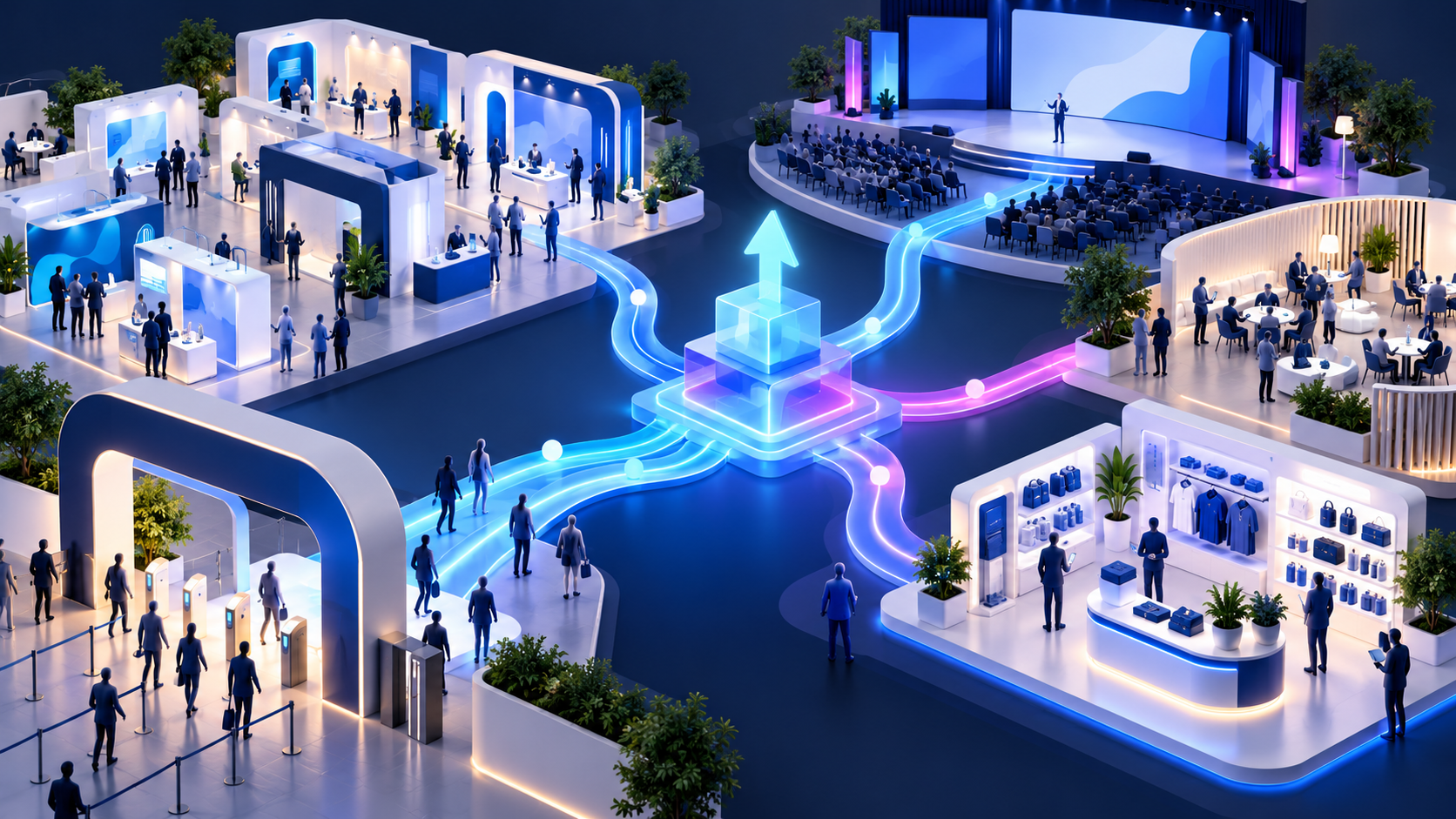
Use the event experience to create valuable, repeatable revenue beyond membership dues—without turning every attendee interaction into an advertisement.
Quick answerAssociation events can generate non-dues revenue through exhibitor space, sponsorships, paid education, attendee upgrades, year-round marketplaces, digital services and multi-event partnerships. The strongest mix starts with member and attendee value, gives buyers clear inventory and outcomes, and uses one operating view to prevent overselling or under-delivering.
Why Events Are a Natural Non-Dues Revenue Engine
Associations bring together a defined community, trusted expertise and organizations that want to serve that community. Events make those assets visible. Members come to learn and connect. Exhibitors come to meet relevant buyers or partners. Sponsors come to build awareness and participate in important conversations.
That does not mean every surface should be sold. Revenue grows more sustainably when the commercial program helps people navigate, learn, meet and discover. Start with a useful experience, then identify the moments where a partner can add value.
Before choosing tactics, set three guardrails:
- Member value: the offer should not make core member access feel artificially restricted.
- Operational capacity: staff must be able to sell, fulfill and report every benefit promised.
- Strategic fit: partners and offers should support the association’s purpose and audience expectations.
1. Sell Exhibitor Space With Clear, Flexible Inventory
Booth sales are often the most visible event revenue stream, but the opportunity is larger than a grid of identical spaces. Use the floor plan to define standard booths, corners, islands, pavilions and other inventory that reflects how the venue actually works. Add-ons might include furniture, power, premium profiles or promotional placements when the association can deliver them consistently.
Make availability easy to understand. A live interactive floor plan helps buyers compare location, size and neighboring features without waiting for a back-and-forth email. It also helps staff avoid selling the same space twice or working from an outdated PDF.
Use pricing zones only when they have a defensible reason: entrance visibility, corner access, proximity to an anchor or a demonstrably different footprint. Clear logic is easier to explain and repeat next year.
2. Build Sponsorships Around Useful Attendee Moments
Sponsorship revenue becomes more valuable when it is tied to a purpose. Examples include a welcome experience, networking lounge, badge pickup, mobile app, education track, wayfinding feature or post-event resource library. The sponsor gains a relevant presence and the attendee receives something useful.
Create a sponsorship inventory before building tiers. Record every opportunity, availability limit, owner, deadline and measurement option. Then group compatible items into clear packages and preserve premium opportunities for sponsors who need a more focused activation.
Avoid stacking too many logos into the same channel. Scarcity protects the experience and makes the offer easier to value.
3. Offer Paid Education and Credentials
Workshops, certificate programs, intensive training and continuing education can extend the event’s value beyond general admission. The key is a real learning outcome—not simply moving a popular session behind another paywall.
Separate the education offer clearly: who it is for, prerequisites, instructor, duration, materials, assessment, credential and refund terms. Consider whether the program should be an event add-on, a stand-alone product or a year-round pathway that uses the event as one milestone.
Protect the credibility of education from sponsor influence. Commercial support can underwrite access, but content standards and speaker decisions should remain transparent.
4. Create Attendee Upgrades That Save Time or Add Access
Useful upgrades can include reserved workshops, small-group networking, premium seating, hosted tours, special receptions or bundled access to recordings. The upgrade should deliver a concrete benefit and remain understandable at checkout.
Do not make basic navigation, accessibility or essential event information premium. Upgrades work when the standard experience is complete and the paid option adds convenience, depth or limited access.
Keep capacity connected to registration so the association does not sell more seats than the room, schedule or staffing can support.
5. Extend Exhibitor Value With a Year-Round Marketplace
A physical event creates a concentrated moment of discovery. A year-round marketplace can keep suppliers, partners and resources visible after the show floor closes. Organizations can maintain profiles, product information and contact paths while members have a familiar place to find relevant providers.
The marketplace should not become an uncurated directory. Define eligibility, categories, profile standards, review processes and renewal terms. Decide which benefits are included with exhibit participation and which are separate annual products.
This model works best when the association has a plan to drive member use throughout the year through content, education, buyer guides or timely category features.
6. Package Digital Services for Exhibitors and Sponsors
Some partners need more than space. They may value enhanced profiles, scheduled meeting tools, lead retrieval, featured resources, app placements, sponsored notifications or post-event content distribution. Package those services around a clear workflow and explain what data the buyer receives.
For lead-related products, establish consent and access rules before selling. Tell exhibitors what attendees will see, what action creates a lead, how the data can be exported and how long it remains available. More data is not automatically more valuable; usable, permissioned information is.
Digital services can also create a bridge between physical booth presence and year-round participation, giving the association a stronger renewal conversation.
7. Create Multi-Event and Annual Partnership Programs
If the association runs several meetings, webinars, publications or community programs, an annual partnership can combine relevant opportunities across the calendar. This gives the partner continuity and reduces repeated contracting. It can also help the association plan inventory and fulfillment earlier.
Do not simply bundle everything at a discount. Build the program around a consistent objective, then choose the channels that support it. Spell out which benefits repeat at every event, which are one-time and which depend on availability. Assign one owner for the relationship and maintain a shared fulfillment record.
How to Choose the Right Revenue Mix
Score each idea against five questions:
- Does it improve or protect member and attendee value?
- Is there a specific buyer with a reason to pay?
- Can the team describe and fulfill the offer consistently?
- Is inventory genuinely limited or differentiated?
- Can the association report delivery and useful outcomes?
A high-revenue idea with weak fulfillment can damage renewals. A smaller product that is easy to buy, deliver and repeat may create more durable value.
Build a Simple Revenue Forecast
Forecast by inventory unit rather than one optimistic total. For each product, record quantity available, planned price, realistic sell-through, direct cost and staff effort. Separate committed, invoiced and collected revenue. For variable inventory such as booths, connect the forecast to the current floor plan so availability and sales status agree.
Use scenarios instead of a single number. A base case can reflect typical renewal and sales patterns. A conservative case can account for slower booth sales or unsold premium inventory. An upside case should identify the specific extra units or conversion improvements required.
Map D’s booth revenue calculator and trade show ROI calculator can help teams test assumptions without hiding the inputs.
A 90-Day Starting Plan
Days 1–30: audit
List current products, inventory, prices, sell-through, fulfillment work and renewal evidence. Interview staff who handle sales, operations and finance. Identify offers that are confusing, costly or difficult to report.
Days 31–60: design
Choose one revenue stream to improve and one small new offer to test. Define inventory, buyer, deliverables, owner, deadlines, price logic and reporting. Put the offer into a consistent sales format.
Days 61–90: pilot
Offer the pilot to a focused group of likely buyers. Track questions, objections, time to close and fulfillment effort. After delivery, gather buyer and attendee feedback before scaling the product.
Keep the Commercial Program Connected
Non-dues revenue touches sales, floor plans, registration, exhibitors, content, mobile experiences and reporting. When those workflows live in separate spreadsheets, it becomes hard to know what is still available and what the association has promised.
A connected event system gives teams a shared view of inventory and participation. That does not replace commercial strategy, but it makes a good strategy easier to execute.
FAQ
What is non-dues revenue for an association?▼
Non-dues revenue is income that does not come from membership dues. For events, common sources include booth sales, sponsorships, registration, education, upgrades, digital services and year-round partnerships.
Which non-dues revenue idea should an association try first?▼
Start with an existing asset that has buyer demand and can be fulfilled consistently. Improving booth inventory or a sponsorship offer is often lower risk than launching a completely new program.
How can an association grow event revenue without hurting member value?▼
Keep the standard attendee experience complete, tie commercial offers to useful moments, protect accessibility and essential information, and be transparent about sponsored content and data use.
How should associations measure event revenue?▼
Track inventory available, sold and delivered; revenue committed, invoiced and collected; direct costs; staff effort; buyer outcomes; and renewal. Use definitions consistently across events.