How to Increase Trade Show Booth Traffic
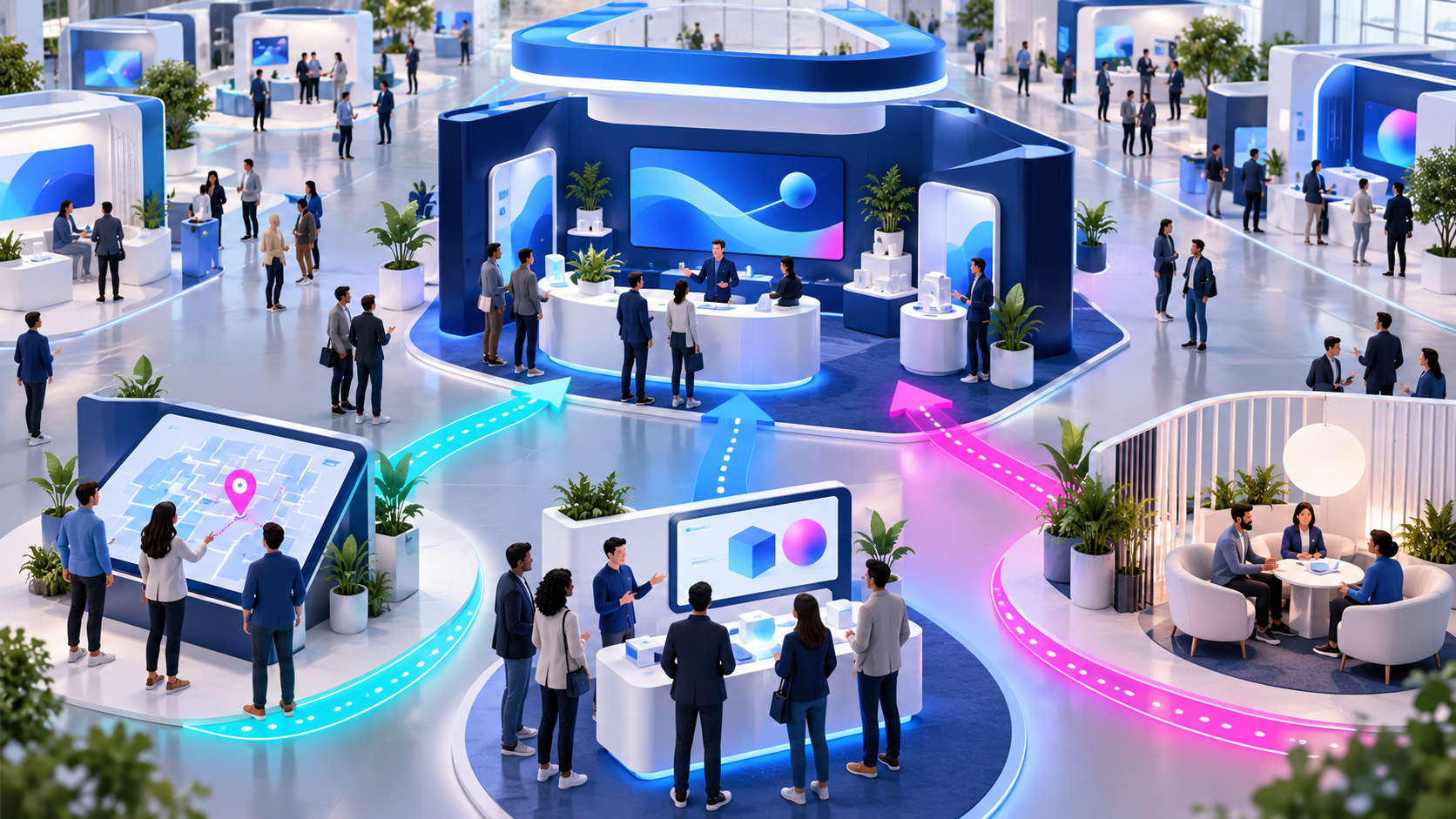
Attract the right attendees before and during the show with a clear profile, discoverable location, useful reason to stop and disciplined follow-up.
Quick answerTo increase trade show booth traffic, make the booth easy to discover before the event, give the right attendees a specific reason to visit, use a layout that supports conversation, schedule repeatable demonstrations, book meetings in advance and coordinate with the organizer’s floor plan and mobile tools. Measure qualified conversations and next steps, not only raw footfall.
Start With the Right Definition of Traffic
A busy aisle is not automatically a successful booth. Decide who you want to meet and what a valuable visit looks like. It may be a product fit conversation, a distributor introduction, a member question, a scheduled demo or a qualified lead with an agreed next step.
Use that definition to guide promotion, staffing and measurement. A giveaway can produce a crowd while consuming time that should go to higher-fit conversations.
1. Complete the Exhibitor Profile Early
Attendees plan before they reach the hall. Complete the company description, categories, products, contact information, logo, resources and booth location as soon as the organizer opens the directory. Use the words buyers use, not only internal product language.
Keep the profile specific. Explain who the solution is for and what problem the booth can help them explore. A clear profile improves search and gives attendees a reason to bookmark the booth.
2. Promote a Reason to Visit
“Come see us” is not a reason. Offer a scheduled demonstration, expert consultation, product comparison, assessment, practical resource or preview. State what the attendee will learn or accomplish and how long it takes.
Coordinate the message across email, social posts, the exhibitor profile and staff outreach. Use one primary invitation rather than several competing offers.
3. Book Meetings Before the Show
Invite priority contacts to specific times. Give them a choice of short meeting windows and confirm the location. Leave capacity for walk-up conversations and staff breaks. A calendar filled wall-to-wall creates delays and leaves no room for the unexpected prospect.
Use attendee matchmaking or meeting tools only within the event’s consent rules. Personalize outreach and make declining easy.
4. Make the Booth Easy to Find
Use the official booth number consistently. Link to the organizer’s interactive map instead of circulating a screenshot that can become outdated. Ask the organizer to verify search categories and profile links.
Onsite, repeat the booth number in approved materials and meeting confirmations. Staff should know the nearest entrance, stage, lounge and aisle landmark so they can guide visitors.
5. Design for Approach, Not Decoration
Keep the entry open and remove barriers that make visitors feel they must request permission to enter. Place the main message where it can be understood from the aisle. Use lighting and contrast to establish a focal point without overwhelming neighboring exhibits.
Plan zones for greeting, demonstration, conversation and storage. Hide personal bags and shipping materials. Check sightlines from the aisle and from the direction most attendees will approach.
6. Schedule Short, Repeatable Demonstrations
A good show-floor demonstration begins with a recognizable problem, shows one meaningful workflow and ends with an invitation to continue. Keep it short enough to repeat and rehearse transitions between presenters.
Publish demonstration times in the exhibitor profile and event app. Confirm sound limits and avoid blocking the aisle. If the product cannot be demonstrated reliably onsite, use a prepared walkthrough with a clear backup.
7. Train Staff to Open and Qualify Conversations
Replace “Can I help you?” with a relevant, low-pressure question. Staff should understand the target visitor, common use cases, qualification notes and the next-step options. Define when to bring in a specialist and how to hand off without making the visitor repeat everything.
Create a staffing schedule. Tired staff looking at phones can undo excellent promotion and design.
8. Use Activities That Support the Message
An assessment, challenge or hands-on task can draw attention when it reinforces what the company does. Explain the purpose quickly and keep participation optional. Avoid games that create a line with no connection to the target audience.
If you offer a prize, publish eligibility, selection and privacy terms. Do not require unrelated marketing consent simply to participate.
9. Work With the Organizer’s Discovery Tools
Use the official event floor plan, marketplace, mobile app, categories and matchmaking features. Ask about sponsor placements or featured profiles only when they align with the target audience.
Keep booth information updated across channels. A changed demonstration time or missing profile erodes confidence before the visitor arrives.
10. Capture the Next Step, Not Just a Scan
Agree on a small set of qualification fields and follow-up actions. Record context while the conversation is fresh: need, timing, role, promised resource and owner. Ask permission before adding a visitor to communications beyond the expected follow-up.
A badge scan without a note leaves the sales team to guess why the person stopped. Fewer complete records can outperform a larger pile of anonymous scans.
Measure Booth Performance
- Scheduled and completed meetings
- Qualified conversations
- Demonstration attendance
- Profile views or bookmarks where available
- Leads with a defined next step
- Follow-up completed within the agreed window
- Opportunities or outcomes tracked under the exhibitor’s normal sales definitions
Compare results by tactic rather than attributing everything to location. Pre-show outreach, staff behavior, offer clarity and follow-up all influence performance.
A 30-Day Booth Traffic Plan
Four weeks before the show
Complete the exhibitor profile, confirm the booth number and map link, define the target visitor and choose one primary reason to stop. Invite priority contacts to meetings and submit all organizer assets before the deadline.
Two weeks before the show
Publish demonstration times, brief the booth team and test the lead workflow. Confirm shipping, power, internet, furniture and any activity rules. Prepare a short follow-up resource connected to the booth message.
During the show
Hold a five-minute staff huddle before opening. Review scheduled meetings, roles and yesterday’s notes. Keep the booth entrance clear, update the team on program changes and watch for repeated questions that should change the demonstration or profile.
Within 48 hours after the show
Send the promised resource and the agreed next step, not a generic blast. Route qualified conversations to the correct owner. Reconcile scans, notes and meetings while context is fresh, then record which traffic tactic produced useful conversations.
Common Booth Traffic Mistakes
- Using a giveaway that attracts people with no connection to the offer.
- Blocking the entrance with furniture, counters or staff.
- Publishing different booth numbers or demo times across channels.
- Running an activity without enough staff to continue real conversations.
- Scanning badges without recording context or permission.
- Leaving follow-up until attendees no longer remember the conversation.
What Organizers Can Do
Organizers can improve traffic across the hall with clear zones, searchable exhibitor profiles, current maps, consistent booth numbering, attendee recommendations and useful wayfinding. Avoid concentrating every anchor in one corner. Use post-event data and exhibitor feedback to identify under-visited areas.
Give exhibitors deadlines, profile guidance and training early. Better-prepared exhibitors create a stronger attendee experience and a more credible renewal conversation.
FAQ
How do you attract more people to a trade show booth?▼
Promote a specific reason to visit, complete the exhibitor profile, book meetings, publish demo times, make the booth easy to find and design an open, useful experience.
Does booth location determine traffic?▼
Location influences opportunity but does not guarantee results. Discovery, outreach, booth design, staff behavior and the strength of the offer also matter.
What should exhibitors measure besides booth traffic?▼
Track qualified conversations, meetings, demonstration attendance, next steps, follow-up completion and business outcomes under consistent definitions.
How can event organizers help exhibitors get more traffic?▼
Provide current searchable profiles, an interactive floor plan, consistent numbering, wayfinding, attendee discovery tools and early exhibitor training.