
Booth Sales Behind Schedule? Here’s What’s Actually Slowing You Down
Buyer Problem
When booth sales fall behind, the instinct is to blame the sales team or the market. But for most expos and trade shows, the real bottleneck is process, not demand. If exhibitors are asking the same questions over and over, the sales team is manually updating a spreadsheet after every call, and nobody has a single source of truth for what’s sold, what’s held, and what’s available, sales stall — not because exhibitors aren’t interested, but because it’s too slow and unclear for them to say yes.
Spreadsheets feel manageable early on. But as booth counts grow and multiple team members are updating availability, spreadsheets create real risk: double-booked booths, outdated pricing shared with a prospect, no visual reference for exhibitors trying to picture their spot on the floor, and hours lost reconciling versions before every internal update.
Practical Guidance
Before adding more sales pressure, look at the buying experience itself:
• Can an exhibitor see real-time booth availability, size, and pricing without emailing someone?
• Is there a visual floor plan exhibitors can reference, or are they picturing booth locations from a PDF and a phone call?
• How many people touch a single booth sale from inquiry to confirmation, and where do handoffs slow things down?
• Is pricing and availability consistent across every version of the floor plan being shared? If the answer involves “someone checks the spreadsheet and gets back to them,” that gap is costing sales.
Common Mistakes
• Relying on a static floor plan PDF that’s out of date within days of release.
• Multiple team members editing the same spreadsheet, leading to conflicting booth statuses.
• Making exhibitors wait on email replies to get basic availability and pricing info.
• No clear checkout path — exhibitors have to email or call to actually confirm and pay for a booth.
• Losing track of tentative holds versus confirmed sales.
Brand Connection
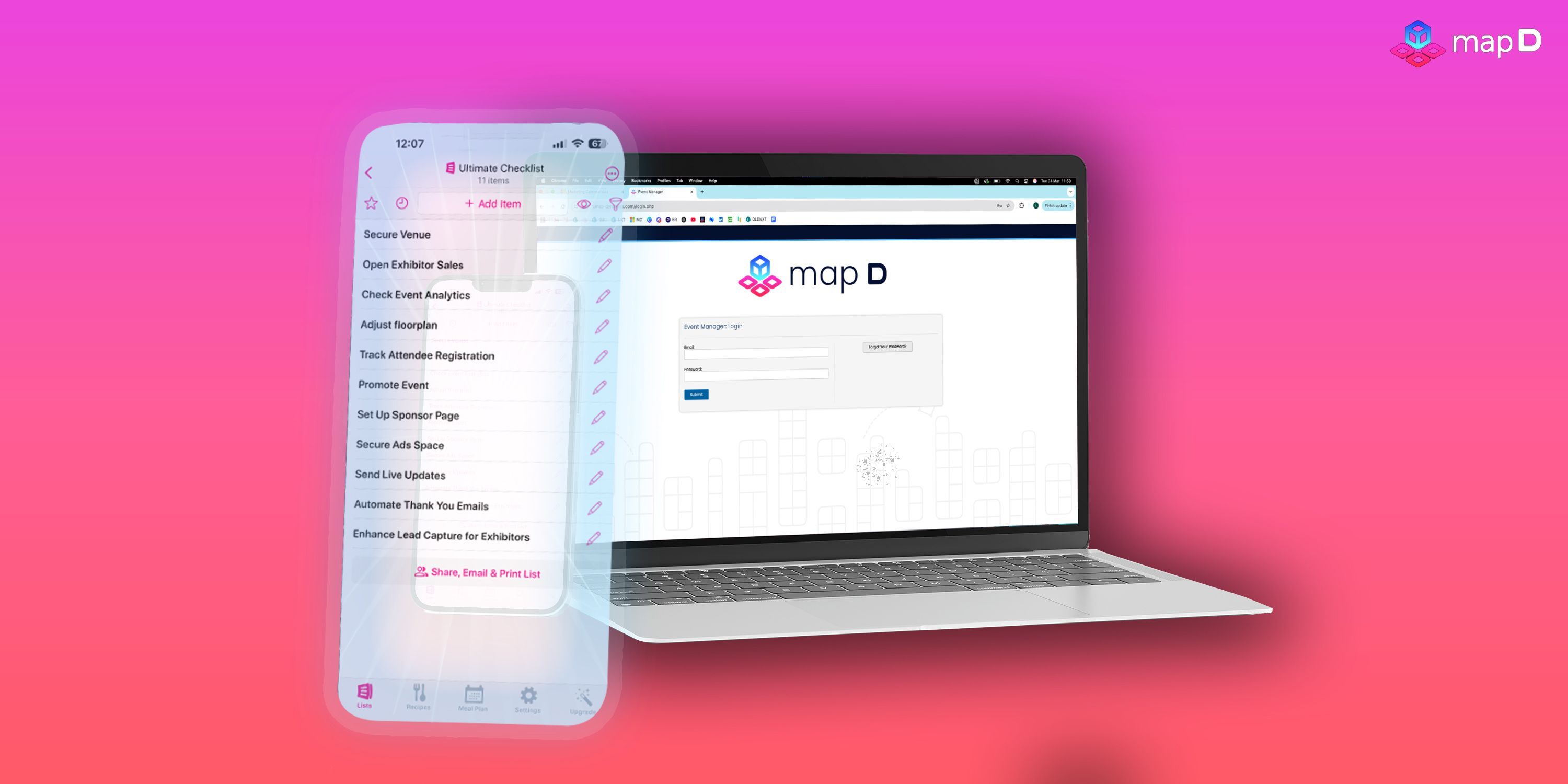
Map D replaces the spreadsheet-and-PDF workflow with an interactive, real-time floor plan that shows exhibitors exactly what’s available — booth size, location, pricing, and status — without back-and-forth emails. Your team manages one live floor plan instead of reconciling versions, and exhibitors can move from interest to purchase in the same session.
If your booth sales process still runs through spreadsheets and email chains, it’s worth seeing what a live, self-serve floor plan could do for your next event. Explore how Map D’s interactive floor plans work.
Contact Us